
A professional dog grooming academy teaches canine anatomy dog grooming courses, skin and coat care, and breed-specific grooming needs. Students learn essential grooming techniques tailored to various coat types and how to handle different dog temperaments safely. Training includes proper use and maintenance of grooming tools like clippers, scissors, and brushes. Academies also emphasize hygiene standards, sanitation, and recognizing pet health issues. Additionally, they cover career options and business skills necessary for success in the grooming industry. Further details explore these core topics in depth.
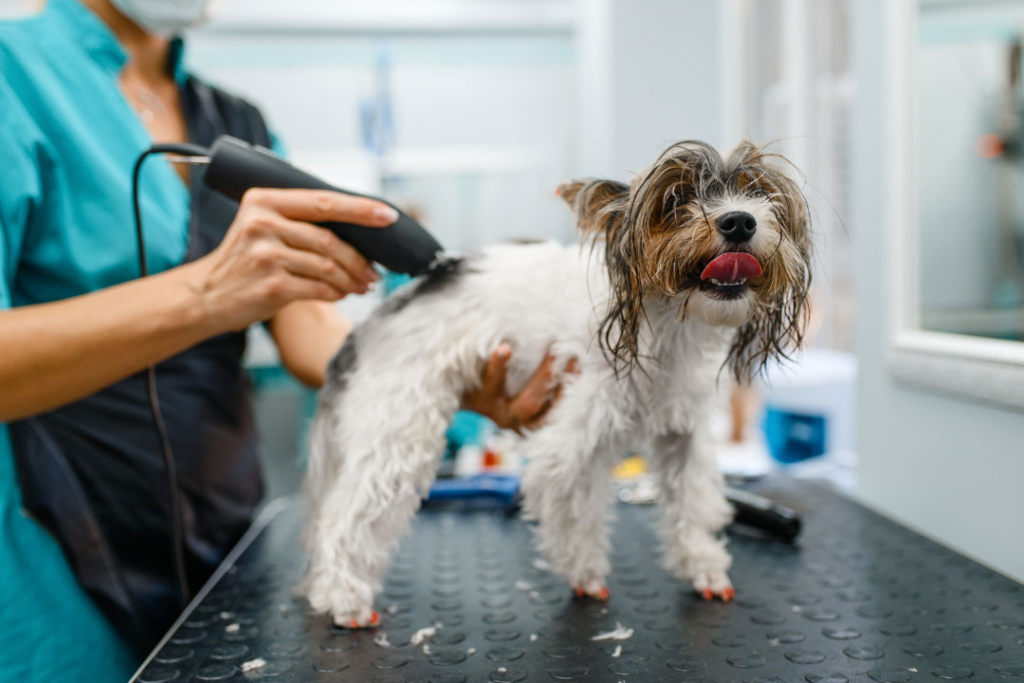
What You Learn at a Dog Grooming Academy
Students enrolled in a dog grooming academy acquire practical skills and theoretical knowledge essential for professional grooming.
The curriculum typically covers canine anatomy, skin and coat health, and hygiene maintenance.
Students learn to operate grooming tools safely and effectively https://cosmos.petuniverse.com/dog-grooming-course/, gaining confidence in handling various dog temperaments.
Instruction includes identifying common skin conditions and understanding breed-specific grooming needs without delving into breed techniques.
Coursework also addresses sanitation standards and client communication, preparing students for real-world scenarios.
This foundation empowers graduates to work independently, making informed decisions that respect both animal welfare and client expectations.
Essential Grooming Techniques and Handling Dog Breeds
When mastering essential grooming techniques, understanding the unique coat types and temperaments of various dog breeds is crucial.
Each breed demands tailored care to maintain health and appearance while guaranteeing the dog’s comfort and cooperation.
Professional grooming academies emphasize this nuanced approach, empowering groomers to adapt methods effectively.
Key considerations include:
- Coat variation: Differentiating between double coats, wiry hair, and curly fur to select appropriate grooming styles.
- Temperament awareness: Recognizing breed-specific behaviors to guarantee safe, respectful handling.
- Skin sensitivity: Identifying breeds prone to allergies or skin issues to avoid irritation during grooming.
Tools and Equipment Every Dog Groomer Should Know
Among the foundational elements of professional dog grooming are the tools and equipment that guarantee efficiency, safety, and quality results.
A groomer’s kit typically includes clippers with various blade sizes, scissors for precise trimming, and combs tailored to different coat types.
Brushes such as slicker and pin brushes help detangle and smooth fur.
Nail clippers and grinders maintain paw health and comfort.
Grooming tables and dryers facilitate controlled, hands-free work environments, allowing groomers to achieve consistent outcomes.
Understanding each tool’s function and proper use empowers groomers to adapt to diverse breeds and coat conditions.
Mastery of this equipment is essential for those seeking autonomy in their craft, enabling them to perform with confidence and deliver professional-grade grooming that respects each dog’s unique needs.
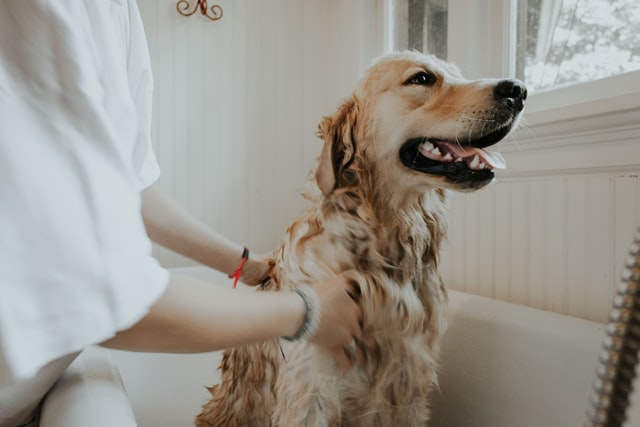
Safety, Sanitation, and Pet Health Basics in Grooming
Making safety and sanitation a priority is fundamental to professional dog grooming, as it protects both the pet and the groomer from potential hazards.
Grooming academies emphasize strict hygiene practices and thorough knowledge of pet health to prevent infections and injuries. Understanding signs of distress or illness in dogs is vital for timely intervention.
Proper cleaning of tools and workspaces reduces contamination risks, while safe handling techniques minimize accidents.
Key aspects taught include:
- Regular sterilization of grooming instruments to maintain a clean environment
- Recognizing symptoms of common health issues like skin irritations or parasites
- Implementing safe restraint methods that respect the pet’s comfort and freedom
These practices guarantee a safe, healthy grooming experience, fostering trust between groomers and the animals they care for.
Career Paths and Business Skills After Dog Grooming Training
Beyond mastering grooming techniques, graduates of professional dog grooming academies gain access to diverse career opportunities and essential business skills.
Many pursue roles as salon stylists, mobile groomers, or specialized breed experts, allowing flexible work schedules and autonomy. Others leverage their training to start their own grooming businesses, benefiting from instruction in client management, marketing, and financial planning.
This foundation empowers individuals to build sustainable careers that align with their desire for independence and control over their work-life balance. Additionally, knowledge in customer relations and entrepreneurship equips graduates to navigate challenges confidently.
Ultimately, the combination of technical and business skills offers freedom to shape a fulfilling profession within the pet care industry, supporting both creative expression and financial stability.
Conclusion
Attending a professional dog grooming academy provides thorough training in essential grooming techniques, breed-specific handling, and the proper use of tools and equipment. Students also gain vital knowledge of safety, sanitation, and pet health to guarantee well-being during grooming sessions. Beyond technical skills, academies often offer insights into career opportunities and business management, preparing graduates for successful roles in the grooming industry or entrepreneurship within the pet care sector.